
Asphalt Maintenance Before Winter in NJ: The Fall Checklist
New Jersey winters are brutal on asphalt. Between freeze-thaw cycles, road salt, and snowplow blades, a single untreated crack in October can become a pothole by March. A few hours of fall maintenance is the difference between a driveway that lasts 20 years and one you're replacing in 8.
Why winter destroys NJ asphalt
Water gets into every hairline crack. When temperatures drop below 32°F, that water freezes and expands by about 9% — prying the crack wider every single freeze-thaw cycle. North Jersey averages 40–60 of these cycles per winter.
Road salt and brine accelerate oxidation, bleaching the binder and making the asphalt brittle. Plow blades then catch raised edges and tear chunks loose.
The fall asphalt checklist (do this before November)
1. Walk the surface. Mark every crack wider than a pencil and any spot where water pools after rain.
2. Power-clean cracks. Blow out dirt, weeds, and loose debris — filler won't bond to a dirty crack.
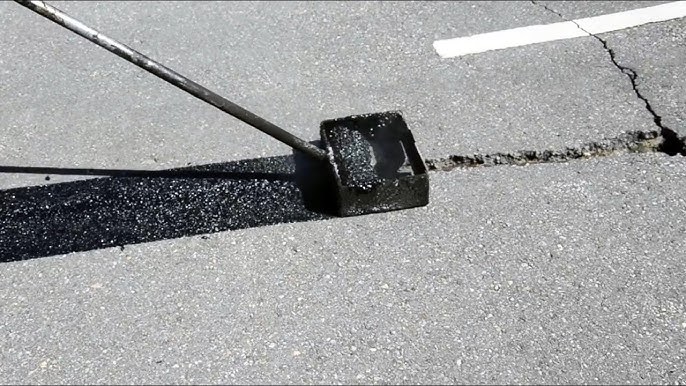
3. Hot rubberized crack fill. Skip the cold-pour bottles from the hardware store — they shrink and pop out by January. Hot rubber bonds permanently.
4. Patch potholes and alligator areas with hot-mix asphalt, compacted properly.
5. Re-stripe parking lots if lines are faded — winter salt makes faint lines invisible.
6. Clear drainage. Make sure downspouts, drains, and swales aren't dumping water onto the asphalt.
Should you sealcoat in the fall?
If you're inside the May–mid-October window and temperatures cooperate, yes — a fresh sealcoat is the single best winter protection because it waterproofs the surface.
If you're already past mid-October in North Jersey, don't force it. Focus on crack filling and patching now, then sealcoat in May when sealer can actually cure.
Snow & ice care that won't wreck your driveway
Use calcium chloride or magnesium chloride instead of rock salt — they're easier on asphalt and concrete.
Avoid metal-edged shovels and plow blades set too low. Use plastic shovels or rubber-edged plows for residential driveways.
Never use a pickaxe or metal chisel to break ice. You will gouge the surface.
Commercial parking lots: the fall punch list
Hot crack fill every joint and crack over 1/4 inch.
Infrared patch any alligator zones or sunken areas around drains.
Re-stripe handicap stalls, fire lanes, and directional arrows before salt season.
Confirm catch basins are clear so meltwater drains instead of pooling and refreezing.
Frequently asked questions
When should I crack-fill my driveway before winter in NJ?
Late September through early November is ideal — the asphalt is still warm enough for hot rubber to bond, and you're ahead of the first hard freeze.
Is it too late to sealcoat in October in New Jersey?
Early October is usually fine. Mid-October is borderline and depends on the forecast. After mid-October, crack-fill now and sealcoat in May.
What's the cheapest thing I can do this fall to protect my driveway?
Hot rubberized crack filling. It's the single highest-ROI maintenance step before winter — typically a few hundred dollars and it stops freeze-thaw damage cold.