Winter Damage to NJ Driveways: What to Fix in Spring
Every spring we get the same call: 'My driveway was fine in October, now it's falling apart.' That's winter. Here's how to triage the damage, what's worth repairing, and what needs full replacement.
Hairline cracks (under 1/4 inch)
Cosmetic, but they're the on-ramp to bigger cracks. Sealcoating in May will fill most of them.
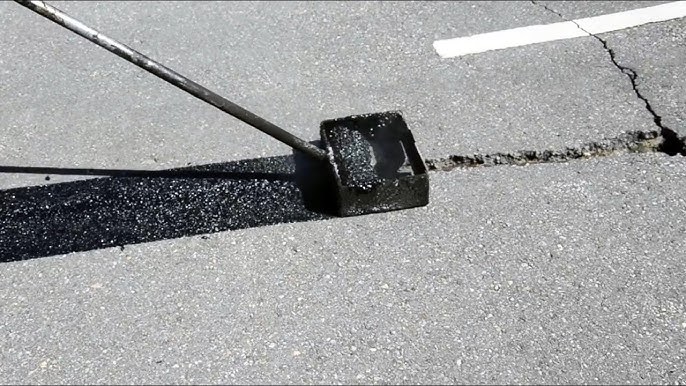
Open cracks (1/4 inch to 1 inch)
Hot rubberized crack fill, then sealcoat. Don't skip — these widen fast under summer heat and next winter's freeze cycles.
Alligator cracking
Interconnected web of cracks means the base failed. Surface filler won't help. Options are infrared patch (small areas) or saw-cut and replace the failed section.
Potholes and edge crumbling
Hot-mix asphalt patch, compacted with a plate compactor. Edge crumbling usually needs the perimeter re-cut and a fresh edge laid.
Salt scaling and surface raveling
If the surface feels sandy and you can sweep up loose aggregate, the binder is shot. A sealcoat will buy 2–4 years; a thin asphalt overlay (resurfacing) is the long-term fix.
When it's time for full replacement
If more than 30% of the surface is alligatored, or if water is pooling in multiple sunken areas, patching is throwing money at a failing base. Full tear-out and repave is the honest call.
Frequently asked questions
When should I get my driveway inspected after winter in NJ?
Late March or early April, once the snow is gone and the surface has dried out. That gives you time to schedule repairs before the May sealcoating season.
Can salt damage on asphalt be repaired?
Surface raveling from salt can be sealed and protected, but heavy scaling usually means the top layer needs to be overlaid with fresh hot-mix asphalt.