
Commercial Permits, Certificate of Occupancy & Inspections in New Jersey Explained
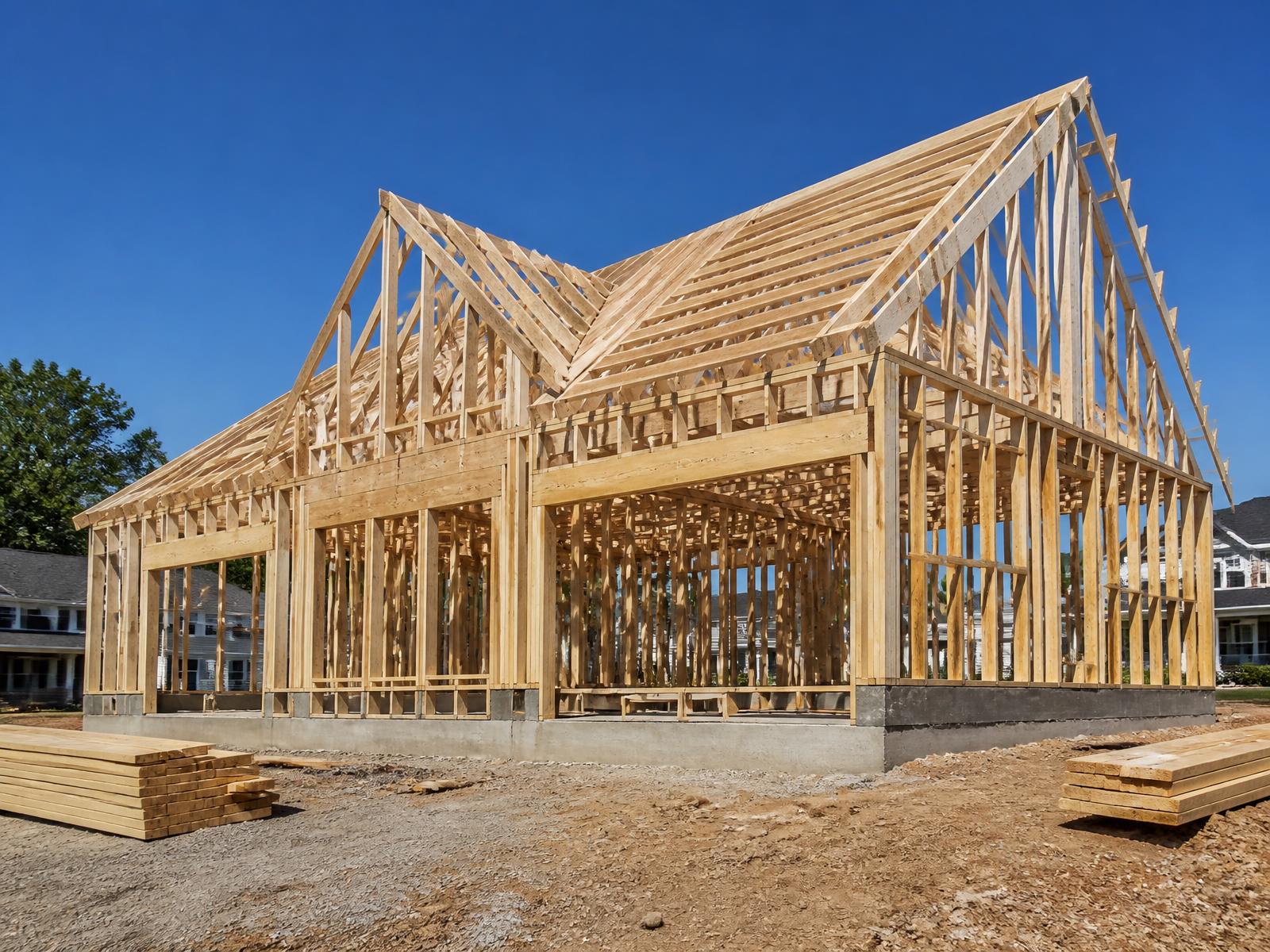
Commercial permitting in New Jersey trips up more business owners than the actual construction does. The state's Uniform Construction Code (UCC) puts four separate sub-code officials between you and your Certificate of Occupancy, and each one can hold up your opening if the paperwork isn't right. Here's how the process actually works.
The Uniform Construction Code framework
New Jersey enforces one statewide building code — the UCC — through local construction offices, but each office is staffed and run independently by the municipality. That means the code is consistent, but the speed and documentation requirements from town to town are not. A build-out in Hoboken can move at a different pace than the same scope in Wayne, purely based on staffing and submission volume.
Every commercial project is reviewed under four sub-codes: building, electrical, plumbing, and fire. Larger or more complex projects also trigger mechanical and elevator sub-codes. Each sub-code official reviews plans and performs field inspections independently — you need sign-off from all of them, not just one general 'building inspector.'
What kind of permit do you need?
A full construction permit is required for any work involving structural changes, new walls, plumbing fixture relocation, electrical service changes, or new mechanical equipment. A 'change of use' permit is required when the occupancy classification changes — a retail space becoming a restaurant, for example — even without heavy construction, because the fire and life-safety requirements shift.
Cosmetic work like paint, carpet replacement, and swapping like-for-like fixtures generally doesn't require a permit, but always confirm with the local construction official before assuming — 'minor work' definitions vary and getting caught doing unpermitted work stalls your eventual C.O. application.
The sub-code approval sequence
After permit issuance, inspections happen in a logical construction sequence: footings/foundation (if applicable), rough framing, rough electrical, rough plumbing, rough mechanical, insulation, and then final inspections for each trade once finishes are complete. Fire sub-code adds inspections for suppression systems, alarm systems, and egress signage.
Every inspection has to pass before the next phase can close up — closing walls before a rough inspection passes means opening them back up, which is a common and expensive mistake on fast-tracked jobs.
Certificate of Occupancy vs. Certificate of Approval
A Certificate of Occupancy (C.O.) is issued after new construction or a change of use, once all sub-code finals pass. A Certificate of Approval (C.A.) applies when a business is simply changing hands or use isn't changing — no construction, just a paperwork inspection to confirm the space still meets code for its existing use.
You cannot legally open a commercial space, sign a lease start clock, or get utilities fully activated for occupancy without one of these two documents. Landlords in NJ almost always require proof of C.O. or C.A. before releasing a tenant improvement allowance payment, so this isn't just a legal formality — it's tied to your cash flow too.
Fire code and life safety review
Fire sub-code review is often the most detail-heavy part of commercial permitting because it covers exit signage, emergency lighting, fire extinguisher placement, occupancy load calculations, and — for restaurants — hood suppression systems. These get reviewed both at plan stage and again at final inspection.
For any space with an occupant load over 50, expect additional scrutiny on egress width and assembly-use requirements. This is a common surprise for retail tenants converting to any use with seating or gathering, like a fitness studio or event space.
How to avoid permit delays
Submit a complete package the first time — missing a sealed engineer's stamp or an incomplete fire suppression shop drawing is the single most common reason applications get kicked back, and each kickback adds weeks. Confirm which sub-codes apply to your specific scope before submission rather than assuming.
Build a buffer into your schedule for inspection scheduling itself — many NJ construction offices book inspections 3–7 business days out, and failed inspections require a full re-schedule, not a same-day fix.
Let GDL manage the permit process for you
GDL Solutions handles permit submission and inspection coordination on every commercial project we run in Bergen, Essex, Passaic, Hudson, Morris, and Union counties. We know which construction offices move fast, which need extra lead time, and how to submit a complete package the first time. Call (646) 736-8756 before you start your permit clock.
Frequently asked questions
How long does it take to get a commercial permit in NJ?
Plan review typically takes 2–4 weeks depending on the township and project complexity, with additional time if the submission is incomplete.
What's the difference between a Certificate of Occupancy and Certificate of Approval?
A C.O. is issued after new construction or a change of use. A C.A. applies to a change of ownership or tenant with no change in use and no significant construction.
Do I need a permit to change carpet or paint in my commercial space?
Usually not, but confirm with your local construction official — definitions of 'minor work' vary by municipality.
What are the four sub-codes in NJ's Uniform Construction Code?
Building, electrical, plumbing, and fire. Mechanical and elevator sub-codes apply on larger or more complex projects.