Siding Replacement Options for New Jersey Homes: Vinyl, Fiber Cement & More
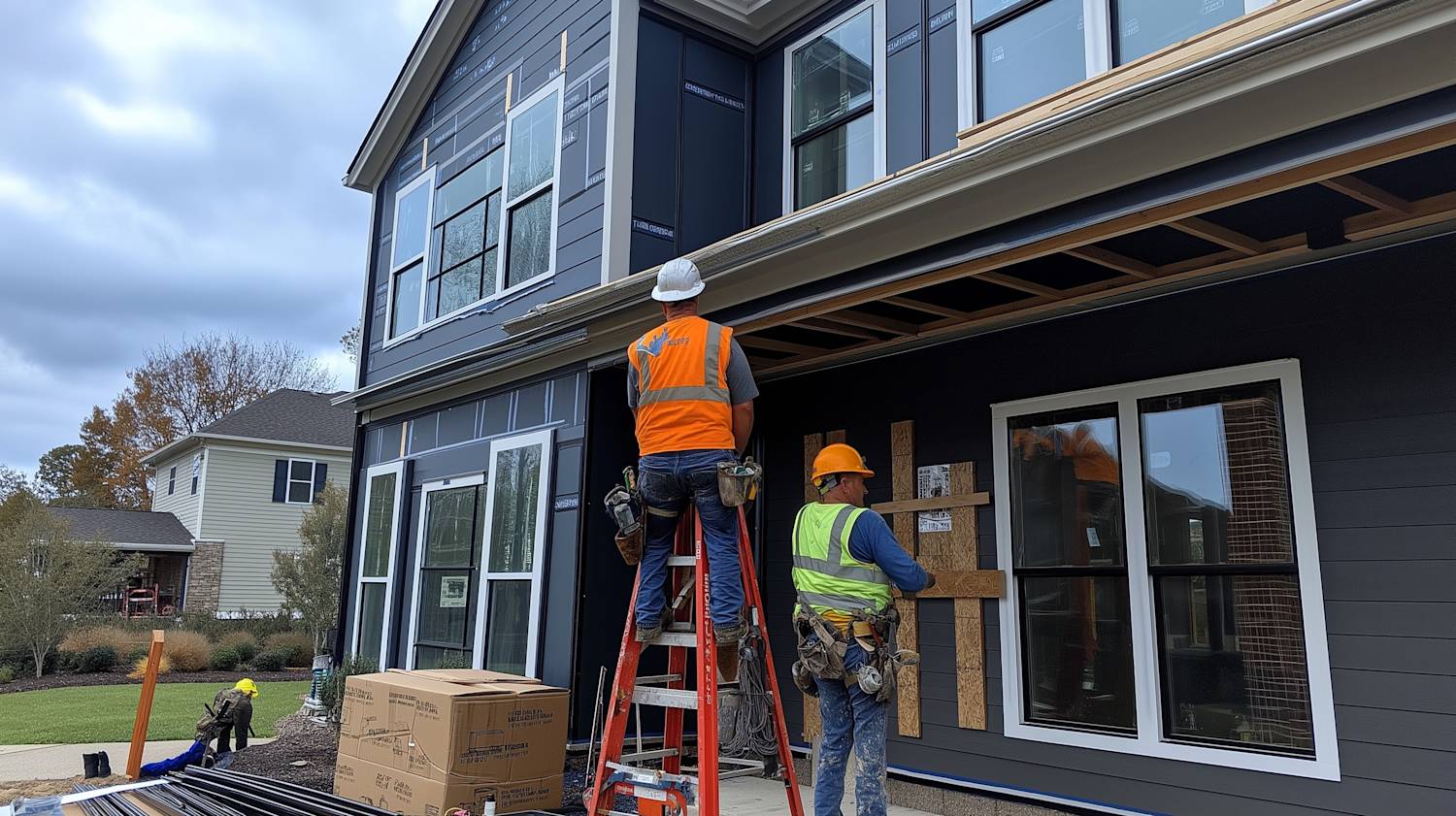
Siding takes the brunt of every NJ winter storm, summer heatwave, and everything in between, and the material you pick affects your maintenance bill for the next 20-plus years. Here's an honest rundown of the main options homeowners in North Jersey are actually choosing between right now.
Vinyl siding: still the budget leader
Vinyl remains the most common siding replacement material because of price — installed cost typically runs $6 to $11 per square foot in North Jersey, making it the cheapest option by a wide margin. Modern vinyl is thicker and more impact-resistant than the vinyl from 20 years ago, with better-locking panels that hold up to wind better.
The tradeoffs are real, though: vinyl can crack in extreme cold snaps, fades over time with UV exposure (especially darker colors), and can warp if a grill or reflected sunlight from an energy-efficient window hits it directly for extended periods — a real issue we've seen on a handful of NJ homes with south-facing low-E windows nearby.
For homeowners prioritizing budget and low maintenance over the longest possible lifespan, vinyl is a legitimate choice — insulated vinyl siding (with rigid foam backing) also adds real R-value and helps with energy bills, for a moderate cost bump over standard vinyl.
Fiber cement: the durability upgrade
Fiber cement (James Hardie is the dominant brand, along with Nichiha and others) has become the go-to premium choice for NJ homeowners who want a wood-look siding that doesn't rot, warp, or attract woodpeckers and carpenter bees the way real wood does.
Installed cost runs $11 to $18 per square foot, roughly double vinyl, but it comes with a 30-50 year manufacturer warranty on the boards themselves and holds paint far longer than wood — most Hardie installations go 15+ years between repaints versus 5-8 years for real wood.
Fiber cement is heavier and requires proper fastening technique (blind-nailed at the right spacing, correct fastener type) to perform as designed — improper installation is the most common cause of premature failure, so installer experience matters as much as the material choice here.
Engineered wood siding: a middle ground
Engineered wood products (like LP SmartSide) give you the real-wood look and easier on-site cutting/installation compared to fiber cement, at a cost typically between vinyl and fiber cement — around $9 to $14 per square foot installed.
It comes factory-treated against moisture and termites, with a warranty typically in the 30-50 year range similar to fiber cement, though it hasn't been in the market quite as long so long-term real-world data is a bit thinner than fiber cement's track record.
It's a good option for homeowners who want a real-wood aesthetic without fiber cement's weight and cutting difficulty (which requires special blades and dust control due to silica content) but still want better durability than vinyl.
Real wood and natural cedar: still an option, with tradeoffs
Cedar and other natural wood siding gives an authentic look that manufactured products still can't fully replicate, and it remains popular on certain architectural styles common in older NJ towns.
The maintenance commitment is real: repainting or restaining every 5-8 years, ongoing vigilance against rot, insects, and woodpecker damage, and a higher material cost — typically $12 to $22 per square foot installed depending on cedar grade.
We install it when a homeowner specifically wants the authentic material and understands the maintenance tradeoff, but for most NJ homeowners looking for a lower-maintenance long-term solution, fiber cement or engineered wood gets a similar look with far less upkeep.
How NJ's climate should factor into your decision
Our freeze-thaw cycles put real stress on siding materials — anything that traps moisture behind it (like an improperly installed vinyl or wood system without a drainage gap) is at risk for rot and mold growth behind the surface, invisible until it's a bigger problem.
We install a proper weather-resistant barrier (housewrap) and, on fiber cement and engineered wood jobs, a rainscreen or drainage gap behind the siding wherever the wall assembly calls for it, which lets any moisture that does get behind the siding dry out instead of sitting against the sheathing.
Wind exposure matters too — homes on exposed hilltops or open lots in places like western Morris County benefit from a siding product and fastening schedule rated for higher wind loads, which we factor into the installation spec.
Cost comparison at a glance
Vinyl: $6-$11/sq ft installed, 20-30 year lifespan, lowest maintenance cost, moderate impact resistance.
Engineered wood: $9-$14/sq ft installed, 30-50 year warranty, moderate maintenance (occasional repaint), good impact resistance.
Fiber cement: $11-$18/sq ft installed, 30-50 year warranty, low maintenance, excellent impact and fire resistance.
Natural wood: $12-$22/sq ft installed, lifespan varies widely with maintenance, highest maintenance commitment, authentic appearance.
Signs it's time to replace your siding
Warping, buckling, or visible gaps between panels mean the siding is no longer doing its job as a weather barrier, regardless of how it looks from a distance.
Rising heating and cooling bills with no other explanation can point to failing siding and insulation behind it, especially on older homes with no housewrap or vapor barrier installed originally.
Mold, mildew, or a persistent musty smell near exterior walls, along with peeling interior paint on those same walls, usually means moisture is getting behind the siding and needs an inspection before it becomes a rot problem.
Get a straight siding recommendation from GDL
GDL Solutions installs vinyl, fiber cement, and engineered wood siding across Bergen, Essex, Passaic, Hudson, Morris, and Union counties, and we'll recommend the material that fits your budget and how long you plan to stay in the home — not just the highest-margin option.
Call (646) 736-8756 or email info@godolsolutions.com for a free exterior inspection and siding quote.
Frequently asked questions
What's the best siding material for New Jersey's climate?
Fiber cement handles NJ's freeze-thaw cycles, humidity, and storm exposure best with minimal maintenance, though vinyl and engineered wood are solid budget and mid-range alternatives respectively.
How much does it cost to reside a house in NJ?
For an average 2,000-2,500 sq ft home, vinyl runs $12,000-$22,000, engineered wood runs $18,000-$28,000, and fiber cement runs $22,000-$36,000 installed.
How long does siding installation take?
A typical single-family home takes 5-10 working days depending on square footage, siding material, and whether old siding needs to be removed first.
Does new siding improve energy efficiency?
Yes, especially when paired with new housewrap and insulated siding options. Many homeowners see a noticeable reduction in drafts and a modest improvement in heating/cooling bills after a full siding replacement.