NJ Building Permits & Approvals: What It Takes to Break Ground
Nothing stalls a custom home project like an underestimated permit process. New Jersey's approval process runs through the state Uniform Construction Code plus your specific town's zoning and planning boards — and every town moves at a different speed. Here's what actually happens between signing a contract and getting a permit in hand.
Step 1: Zoning review
Before a construction permit application even gets filed, your plans go through zoning review to check setbacks, lot coverage, height limits, and use restrictions specific to your town's zoning ordinance.
If your plans comply with zoning as-of-right, this step can take as little as 1-2 weeks. If you need a variance — say, your new addition encroaches on a side-yard setback, or your lot coverage exceeds the town maximum — you'll need to go before the Zoning Board of Adjustment, which adds a public hearing process that typically takes 6-12 weeks.
Teardown-rebuild projects in built-out towns (parts of Bergen and Essex County especially) run into variance requirements more often than new builds on larger suburban lots, simply because older lots were platted under different, often smaller, zoning standards.
Step 2: Construction permit application (Uniform Construction Code)
New Jersey operates under the Uniform Construction Code (UCC), meaning the technical building code is consistent statewide, but each municipality has its own construction office that reviews and issues permits.
A full building permit application requires stamped architectural plans, a plot/site plan, energy code compliance documentation, and separate sub-permits for electrical, plumbing, fire, and (if applicable) elevator work.
Review timelines vary significantly by town — some municipal construction offices turn around straightforward single-family permits in 2-3 weeks, while busier departments (common in denser Bergen and Hudson County towns) can take 6-10 weeks, especially during spring building season when application volume spikes.
Step 3: Additional approvals that catch homeowners off guard
Tree removal permits: many NJ towns require a separate permit to remove trees over a certain diameter, even on your own property. Skipping this can result in fines that dwarf the permit fee itself.
Stormwater management: larger builds and additions that increase impervious coverage often trigger stormwater management review, sometimes requiring on-site detention systems. This is increasingly common as towns tighten flood-mitigation rules.
Health department/septic approval: if your property isn't on public sewer, any new construction touching plumbing capacity needs county or local health department sign-off on septic design, which can add several weeks.
Historic district or design review: certain towns and neighborhoods (parts of Montclair, Ridgewood, and others) have architectural review boards for exterior changes, adding another layer of approval time.
Step 4: Inspections throughout construction
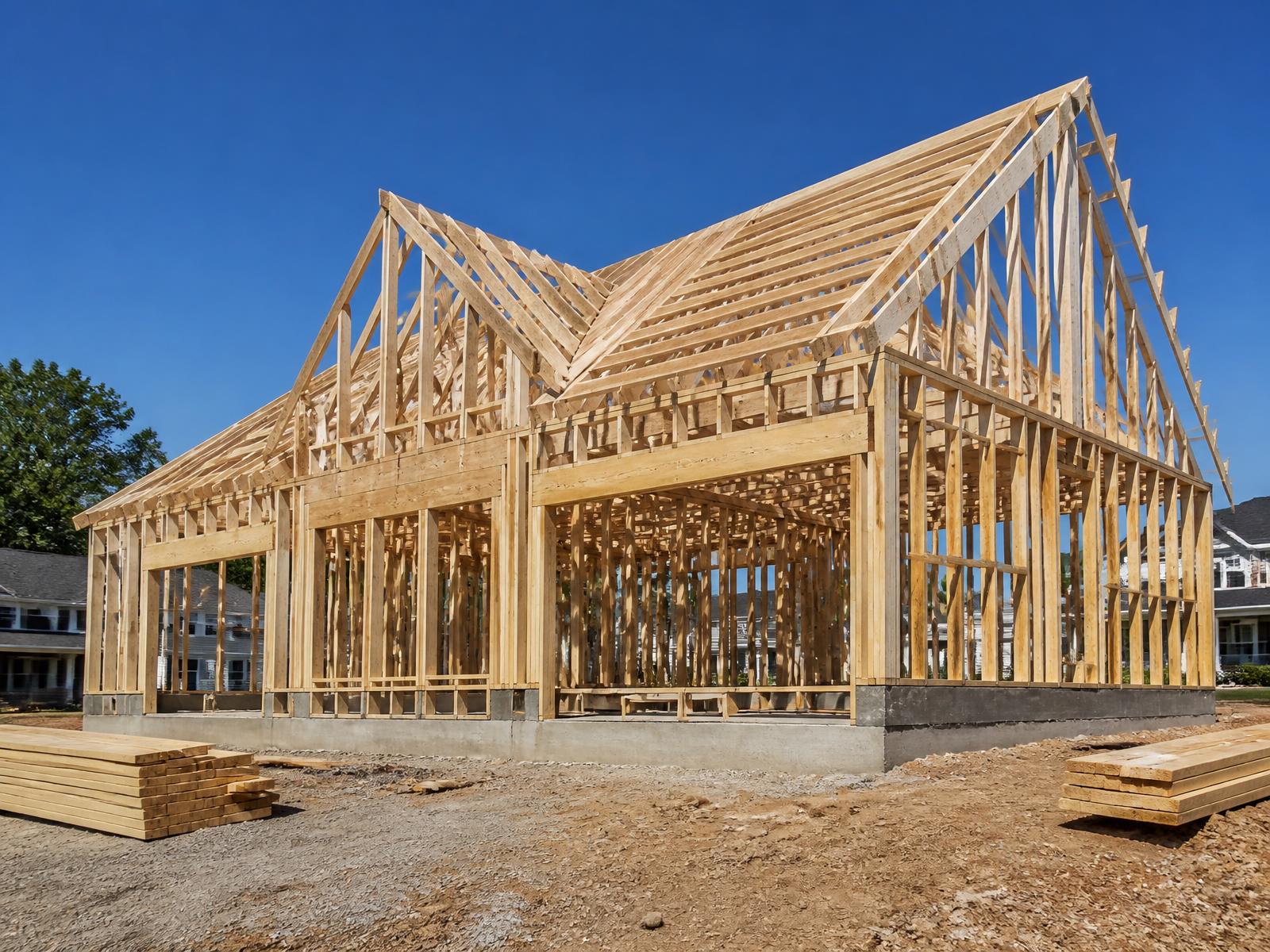
Permits aren't a one-time approval — they come with a required inspection schedule: footing/foundation, framing, rough electrical/plumbing/mechanical, insulation, and final inspection before a Certificate of Occupancy is issued.
Each inspection needs to be scheduled with the municipal construction office and passed before work can proceed to the next phase, which is why inspection scheduling backlogs (again, worse in busier towns) can genuinely slow a project down if not planned for.
Failed inspections aren't rare and aren't the end of the world — they usually mean a specific fix and a re-inspection, but each cycle can add a week or more, which is why quality framing and rough-in work upfront pays off in schedule, not just craftsmanship.
How GDL Solutions handles permitting for you
We pull permits, coordinate with your town's construction office, and schedule every required inspection as part of our standard contract — you shouldn't have to be the one chasing down a building inspector.
We also flag zoning risk before you're financially committed to a design. If your lot needs a variance, we'll tell you upfront what that means for timeline and give you a realistic read on approval odds based on our experience in that specific town.
Permitting is genuinely one of the most misunderstood parts of a custom build. Call GDL Solutions at (646) 736-8756 before you finalize plans and we'll walk you through exactly what your specific town and lot will require.
Frequently asked questions
How long does it take to get a building permit in NJ?
For a straightforward single-family home or addition with no variance needed, 2-6 weeks is typical depending on the town's construction office. Add 6-12 weeks if a zoning variance is required.
Do I need a permit for a home addition in NJ?
Yes. Any addition that adds square footage, alters structural elements, or adds plumbing/electrical requires a full construction permit under the Uniform Construction Code, plus zoning review.
What happens if I build without a permit in NJ?
Unpermitted work can result in stop-work orders, fines, and serious complications when you sell the home — buyers' attorneys and title companies routinely flag unpermitted construction. It's never worth the risk.
Can GDL Solutions handle the permit process for me?
Yes, we pull permits and coordinate all required municipal inspections as part of our standard construction contracts across Bergen, Essex, Passaic, Hudson, Morris, and Union counties.