HOA & Multi-Family Property Renovation Programs in New Jersey
HOA boards and multi-family property managers in NJ are balancing reserve fund studies, resident expectations, and capital budgets that never stretch quite as far as the punch list. Here's how the renovation programs that actually stay on budget get planned and executed.
Start with the reserve study, not the wish list
Every NJ condo association and HOA is required to maintain a reserve fund and, in most cases, a reserve study projecting major capital expenses over a 20–30 year horizon. Renovation planning should start there, not with a board member's list of wants — the reserve study tells you what's actually funded and when.
Prioritize items that protect the asset and prevent bigger failures: roofing, siding, asphalt, drainage, and structural elements come before cosmetic common-area upgrades. A board that renovates the clubhouse lobby while deferring roof replacement is setting up a much larger special assessment down the road.
Phasing large multi-building projects
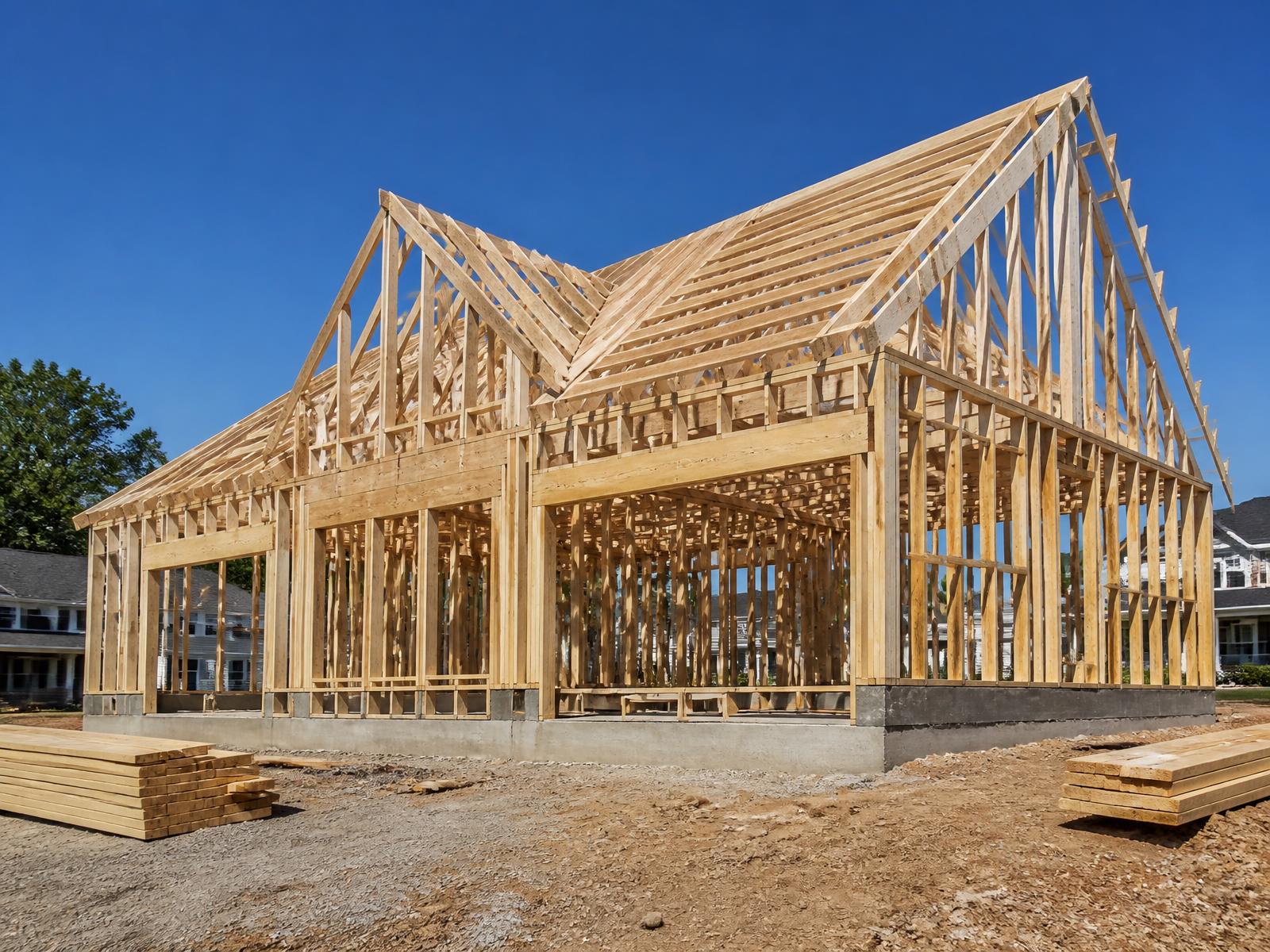
Multi-family properties with 4, 8, or 20+ buildings rarely renovate everything at once — budget and resident disruption make phasing the practical approach. Common phasing strategies group buildings geographically (finish one section fully before moving to the next) or by system (all roofs first across the property, then all siding).
Geographic phasing minimizes how many buildings are disrupted at once and lets residents see visible progress, which matters for board credibility. System-based phasing can be more cost-efficient for material and crew mobilization but leaves the whole property in a partially-finished state longer — factor resident tolerance into which approach you choose.
Getting resident buy-in and managing disruption
Renovation projects at occupied multi-family properties fail politically more often than they fail technically. Clear communication — timelines, noise expectations, parking impacts, temporary access changes — sent before work starts and updated weekly during construction prevents the flood of complaint calls that erodes board and management credibility.
Build resident communication into your contractor's scope of work, not as an afterthought the property manager handles alone. We provide weekly progress updates and a direct point of contact for boards specifically so property managers aren't fielding every question themselves.
Common area and exterior scope
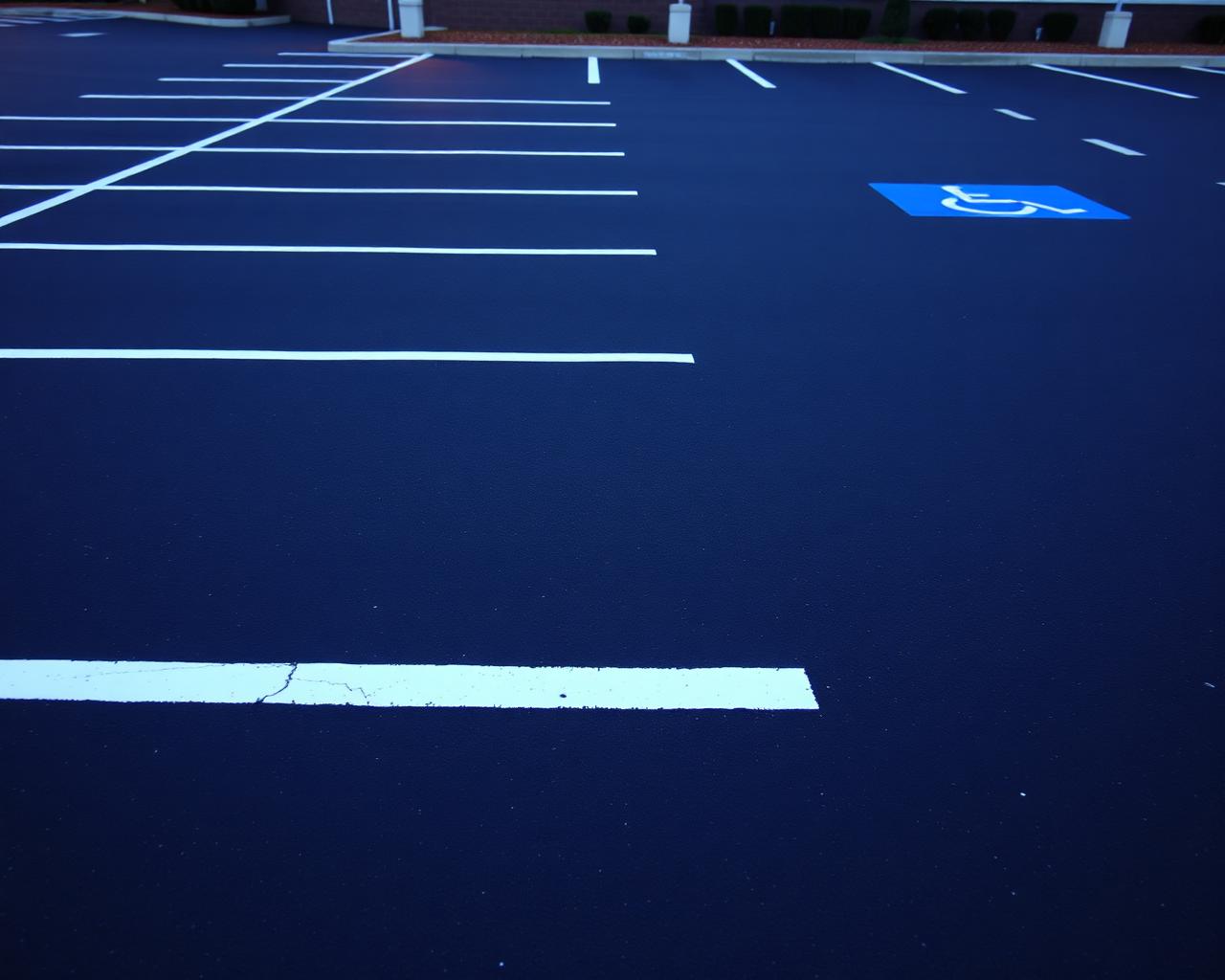
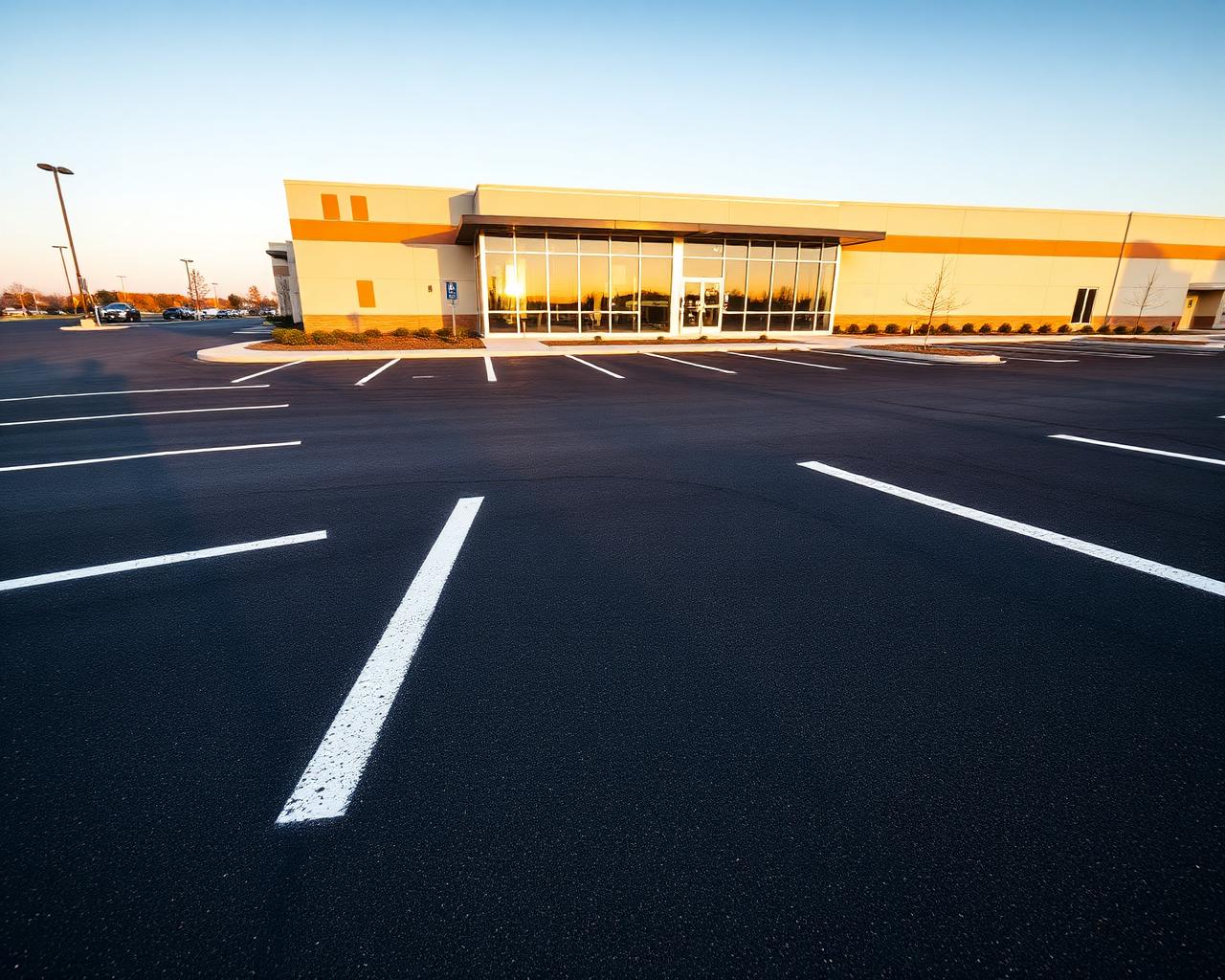
Typical HOA/multi-family renovation scope includes roofing and siding replacement, parking lot resurfacing and restriping, common area flooring and paint, clubhouse and amenity space updates, and site drainage corrections. Parking lots in particular are often deferred longer than they should be because the failure is gradual rather than sudden — a lot that's 15+ years old with visible alligator cracking is past due for at least a mill-and-overlay.
Drainage issues are the most commonly underestimated item — water pooling near building foundations or in parking areas causes ongoing damage that's more expensive to fix later than addressing the grading and drainage now as part of a planned renovation.
Bidding and contractor selection for HOA boards
Boards should get at least three bids for any capital project over a threshold set in their bylaws, with a clearly scoped request for proposal so bids are actually comparable — vague scopes produce bids that can't be fairly evaluated against each other. Confirm licensing, insurance certificates naming the association as additionally insured, and references from other NJ HOA or property management clients.
A contractor experienced with occupied multi-family work understands scheduling around resident vehicles, HOA meeting approval cycles, and phased payment draws tied to reserve fund disbursement schedules — this is different from residential single-family work and matters for how smoothly the project runs.
Funding: reserves, special assessments, and loans
Well-funded reserves cover routine capital replacement on schedule. When a reserve is underfunded (common in older NJ associations), boards face a choice between a special assessment or a loan against future reserve contributions. Getting an accurate contractor estimate early in this process — before the board votes on funding — prevents the common problem of approving a special assessment that turns out to be short once real bids come in.
Partner with a contractor who understands HOA projects
GDL Solutions works with HOA boards and multi-family property managers across Bergen, Essex, Passaic, Hudson, Morris, and Union counties on phased capital renovation projects — exteriors, common areas, and parking lots. Call (646) 736-8756 to get a scope and budget number your board can actually plan around.
Frequently asked questions
How often should an HOA update its reserve study?
Most NJ associations update reserve studies every 3–5 years, or sooner after a major capital project changes projected costs.
How many contractor bids does an HOA need for a capital project?
This is typically set by association bylaws, but three competitive bids on a clearly scoped RFP is a common and defensible standard.
Should a parking lot renovation be phased or done all at once?
It depends on lot size and budget — large multi-lot properties often phase by section to spread cost and minimize resident disruption, while smaller single lots are usually more efficient done in one mobilization.
What happens if an HOA's reserve fund is underfunded for a needed renovation?
Boards typically choose between a special assessment or financing against future reserve contributions — get accurate contractor bids before voting on either option.