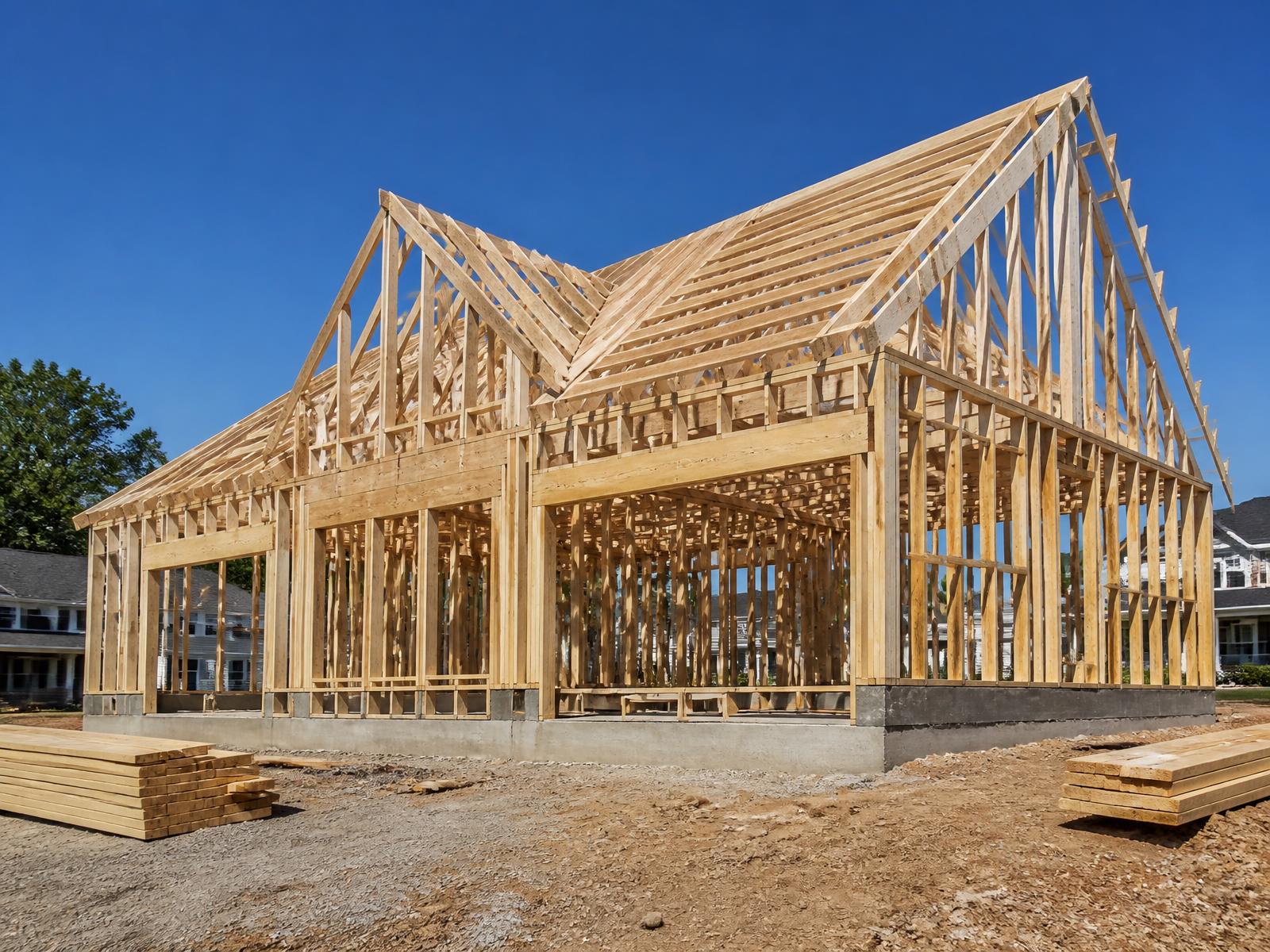
How to Live in Your Home During a Remodel
Most homeowners can stay in their house through a kitchen or bathroom remodel — it's whole-home gut renovations where moving out becomes the smarter call. Either way, the difference between a manageable renovation and a miserable one usually comes down to planning the logistics before demo day, not during it.
Set up a real temporary kitchen before demo starts
A functional temporary kitchen needs three things: a heat source (a countertop induction burner or toaster oven), refrigeration (a mini fridge or the garage fridge if you have one), and a wash station (a utility sink, or at minimum a large bin and access to a bathroom sink for dishes).
Set this up in a spare room, dining room, or garage before demo day, not the week after, since you'll need it functioning the moment your actual kitchen goes offline. Stock it with paper plates, disposable cutlery, and a couple weeks of easy-prep groceries so you're not improvising on day one.
For longer kitchen remodels (8+ weeks), some clients invest in a small folding table with a hot plate and slow cooker setup that lets them actually cook real meals rather than living on takeout for two months — worth considering for the budget and sanity both.
Contain dust before it spreads through the house
Construction dust, especially from drywall sanding and demo, travels through HVAC ducts and under doors far more than people expect. Before work starts, we seal off the work zone with plastic sheeting on doorways (using zipper-style dust barrier kits, not just taped plastic) and cover any HVAC vents in the active work area.
If your HVAC system runs through the work zone, we recommend closing the return vents in that area for the duration of major demo, and running the system with a higher-MERV-rated filter temporarily to catch what does get through the rest of the ductwork.
Floor and stair runners protect the rest of the house from tracked-in dust and debris, and a good contractor's crew should be sweeping and containing debris daily, not letting it accumulate and spread over the course of a project.
Bathroom remodels: plan for one bathroom down
If you have multiple bathrooms, losing one for 4-6 weeks is a manageable inconvenience — just confirm the remaining bathroom(s) have everything your household needs (a working shower, especially, since that's the item people miss first).
If you're remodeling your only bathroom, ask about scheduling the shower/tub connection as early in the sequence as feasibly possible, or discuss options like a temporary shower setup, staying with family for the roughest week, or a short gym membership for shower access during the most disruptive days.
Protect kids and pets from an active job site
An active construction zone has genuine hazards — exposed nails, power tools, open stairwells during structural work, dust that's not great for young lungs or pets. Establish a clear, physically barriered boundary between the work zone and living space, and make sure kids and pets understand (and are prevented from crossing into) that boundary.
For homes with young kids, we often recommend scheduling the loudest, dustiest phases (demo, framing) during a period when it's easier for the family to be out of the house more — a planned trip, or simply more time at grandparents' during that specific week.
Manage noise and crew schedule expectations
NJ townships generally restrict construction noise to specific hours (commonly 7am-6pm on weekdays, with tighter restrictions on Saturdays and typically no work on Sundays) — ask your contractor for the specific hours in your municipality so you know what to expect.
A reliable crew shows up consistently and communicates in advance about schedule changes rather than leaving you guessing whether anyone's coming that day. This predictability is one of the most underrated factors in making a remodel bearable to live through.
When it's genuinely better to move out temporarily
For a whole-home gut renovation, or a kitchen remodel that also involves relocating your only bathroom, moving out for the roughest stretch of the project (typically demo through drywall) is usually faster for the project and far easier on the household than trying to occupy an active job site.
Even a short-term rental or extended stay for 4-8 weeks during the worst of the disruption often costs less in stress and lost time than trying to work from home, cook, and manage kids around an active renovation crew every single day.
GDL plans around your household, not just the job site
Every remodel is disruptive to some degree, but a contractor who plans dust containment, sequencing, and communication around your actual daily life makes a measurable difference. GDL Solutions works with homeowners throughout Bergen, Essex, Passaic, Hudson, Morris, and Union counties to plan renovations that are as livable as possible during construction. Call (646) 736-8756 or email info@godolsolutions.com to talk through your project.
Frequently asked questions
Can I live in my house during a kitchen remodel?
Yes, most homeowners do. Setting up a functional temporary kitchen with a mini fridge, hot plate, and wash station before demo starts makes it manageable, especially for remodels under 8-10 weeks.
How do I control dust during a home renovation?
Seal work zone doorways with zipper dust barriers, cover HVAC vents in the active area, close return vents near the work zone, use a higher-MERV filter temporarily, and use floor/stair runners to protect the rest of the house.
Should I move out during a renovation?
For a whole-home gut renovation or a project that removes your only kitchen or bathroom for an extended stretch, moving out temporarily is usually the more practical option and can speed up the project timeline.
What construction hours are allowed in NJ?
Most NJ townships restrict construction work to roughly 7am-6pm on weekdays with tighter restrictions on Saturdays and generally no work permitted on Sundays, though exact hours vary by municipality.