Kitchen Remodel Cost in NJ (2026 Price Guide)
Every homeowner asks the same question first: what's this actually going to cost? In New Jersey, kitchen remodels run anywhere from $28,000 for a cabinet-and-countertop refresh to $150,000+ for a full gut with structural work. Here's how the numbers break down by tier so you can budget before you call a contractor.
The three tiers of a NJ kitchen remodel
Tier one is a cosmetic refresh: new cabinet doors or refacing, new countertops, backsplash, and appliances, keeping the existing layout and plumbing/electrical in place. In Bergen and Essex County, this typically runs $28,000 to $45,000 depending on cabinet quality and countertop material.
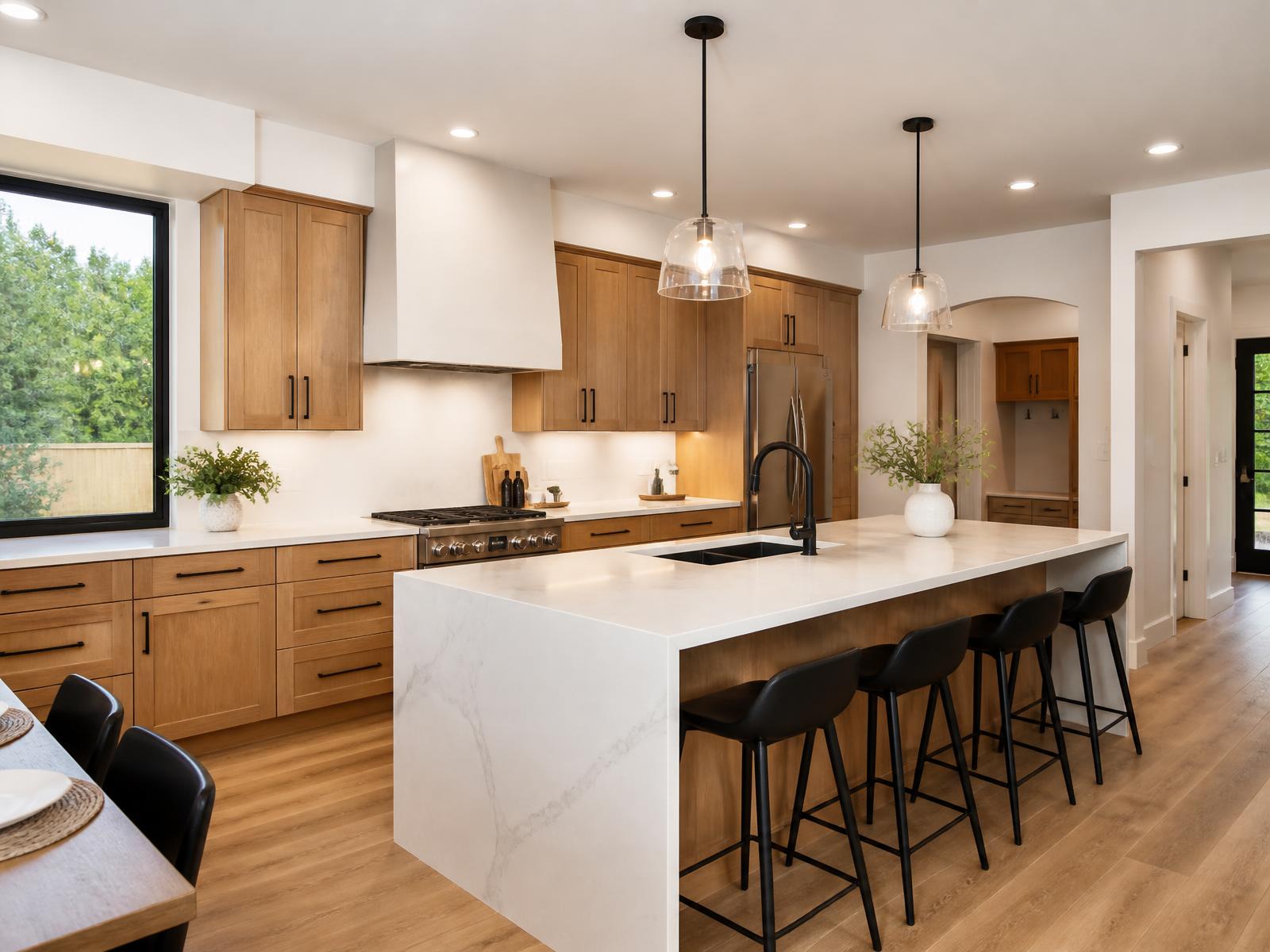
Tier two is a mid-range remodel: full cabinet replacement, layout tweaks that don't move plumbing, new flooring, lighting, and an island. Expect $50,000 to $90,000. This is where most of our clients land — enough change to feel new without moving gas lines or load-bearing walls.
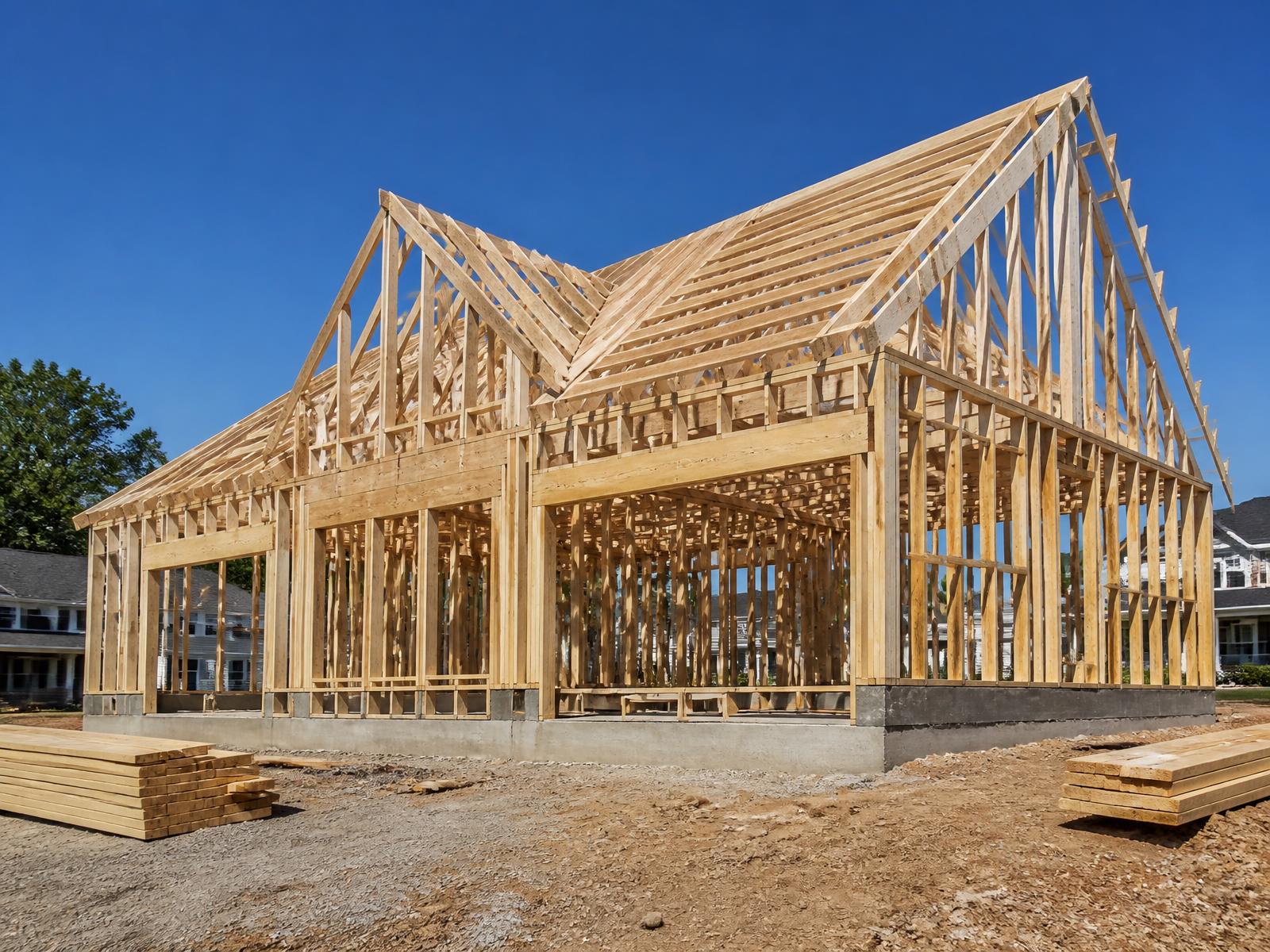
Tier three is a full gut and reconfigure: moving the sink, relocating the range, taking down a wall to open to the dining room, new electrical panel capacity for modern appliances. This runs $90,000 to $160,000+ in our service area, and it's where permits, structural engineering, and inspections come into play.
What actually drives the cost up
Cabinetry is usually 30-40% of the total budget. Stock cabinets from a big box store run $150-$300 per linear foot installed; semi-custom runs $300-$600; full custom cabinetry built to your exact kitchen can hit $700-$1,200 per linear foot. A typical 30-linear-foot kitchen swings from $9,000 to $36,000 on cabinets alone.
Countertops are the next biggest line item. Laminate starts around $30/sq ft installed, quartz runs $70-$120/sq ft, and natural stone like granite or quartzite runs $80-$200/sq ft depending on the slab. A 40-sq-ft kitchen countertop package can be a $2,800 job or a $8,000 job depending entirely on material choice.
Plumbing and electrical relocation is the hidden cost most homeowners underestimate. Moving a sink 6 feet, adding a gas line for a new range, or upgrading a panel to support a double oven and induction cooktop can add $3,000-$12,000 that isn't visible in the finished photos but is absolutely necessary to do it right and pass NJ inspection.
Structural work — removing a wall between kitchen and dining room, for example — adds engineering fees ($800-$2,500 for a stamped drawing), permit costs, and the actual demo/beam install, which in our market runs $8,000-$20,000 depending on span and whether the wall is load-bearing.
Real numbers from recent NJ kitchen jobs
A 180-sq-ft galley kitchen refresh in Clifton with semi-custom cabinets and quartz counters: $62,000 total, 5-week timeline.
A 220-sq-ft kitchen in Montclair with a load-bearing wall removed to open to the family room, custom cabinetry, and a 9-foot island: $128,000, 10-week timeline including permits.
A basic cabinet reface with new granite counters and a tile backsplash in Paramus: $31,500, 3-week timeline.
These aren't estimates pulled from a national average calculator — they're actual GDL project totals from jobs completed in Bergen and Passaic County within the last 18 months.
Where you can save without cutting corners
Keep the existing footprint. Every foot you move a sink, dishwasher, or range is a foot of new plumbing and possibly new electrical. Staying within the existing plumbing wall can save $5,000-$15,000 on a mid-range remodel.
Choose quartz over natural stone. You get the durability and a consistent pattern without the sealing maintenance of granite, often at a lower per-square-foot price for comparable quality.
Mix cabinet tiers — semi-custom for the base run, and splurge on a custom island or a statement hood. This gets you a high-end look without paying full-custom pricing on every box in the kitchen.
Don't skip permits to save money. Unpermitted electrical or plumbing work in a kitchen remodel can tank a home sale inspection and cost far more to correct later than it would have to do right the first time.
Financing and payment structure
Most NJ kitchen remodels are paid in draws tied to milestones: deposit at signing, a draw at demo/rough-in completion, a draw at cabinet install, and final payment at punch-list completion. This protects both you and the contractor and is standard practice for licensed, insured GDL projects.
Home equity lines of credit remain the most common financing method for kitchen remodels in our market given current rates on unsecured personal loans. We can walk you through typical draw schedules so you know what to expect before signing anything.
Get an accurate number for your kitchen
Online calculators and national averages are a starting point, not a quote. Your actual cost depends on your kitchen's square footage, existing plumbing/electrical condition, cabinet and counter selections, and whether any walls come down.
GDL Solutions is a licensed and insured New Jersey general contractor serving Bergen, Essex, Passaic, Hudson, Morris, and Union counties. We'll walk your kitchen, give you a real tiered estimate, and tell you straight where the money actually goes. Call (646) 736-8756 or email info@godolsolutions.com to schedule a walkthrough.
Frequently asked questions
What's the average kitchen remodel cost in NJ in 2026?
Most mid-range kitchen remodels in our service area run $50,000 to $90,000. Cosmetic refreshes start around $28,000; full gut-and-reconfigure jobs with structural work can exceed $150,000.
How long does a kitchen remodel take?
A cosmetic refresh takes 3-4 weeks. A mid-range remodel with new cabinets and layout tweaks runs 5-7 weeks. A full gut with wall removal and permits typically takes 8-12 weeks.
Do I need a permit for a kitchen remodel in NJ?
If you're moving plumbing, adding/relocating electrical circuits, or touching structural walls, yes — NJ requires permits for that work. Cosmetic-only projects (new cabinet doors, countertops) generally don't require a permit, but check with your local building department.
Is it cheaper to reface cabinets or replace them?
Refacing is typically 30-50% cheaper than full replacement, and it's a good option if your cabinet boxes are still structurally sound and you're happy with the layout. If you're changing the layout at all, replacement is usually the better long-term investment.